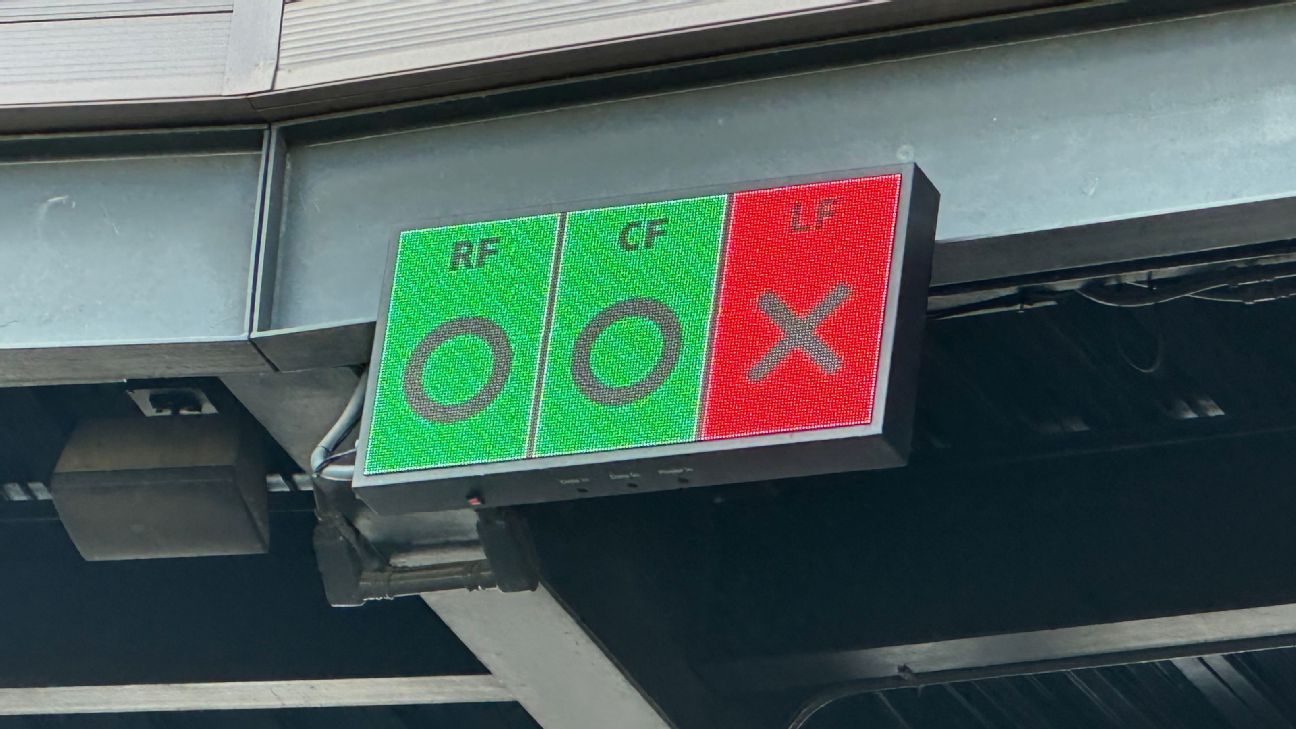
A New Frontier for Defensive Restrictions
Major League Baseball continues its aggressive pursuit of a faster, more dynamic game by testing restrictions on outfield positioning. Following the implementation of pitch clocks and the successful ban on extreme infield shifts, league officials are evaluating whether limiting where outfielders can stand will encourage more balls in play and inject life into stagnant offensive numbers.
While developmental leagues and the Arizona Fall League routinely serve as testing grounds for experimental rules, news of the outfield trials has reignited longstanding debates about how far rulemakers should go to manufacture action. Proponents argue that the changes effectively expand the playing field without altering stadium dimensions, creating natural gaps for hitters who otherwise struggle against elite pitching.
The Root Cause: Pitching Dominance
Many observers contend that focusing on defensive alignments treats the symptoms rather than the disease. Modern pitching velocity, sophisticated spin rates, and the heavy reliance on specialized bullpens throwing triple-digit heat have fundamentally altered the balance between pitcher and batter over the past decade.
Critics of the proposed rule argue that restricting outfielders penalizes smart defensive positioning rather than encouraging better hitting fundamentals. Suggestions to address pitching directly—such as lowering the pitching mound or adjusting strike zones—frequently emerge in discussions, though each alternative carries its own logistical and injury-related hurdles.
I really wish they would stop artificially dumbing down this game.
Conversely, supporters point to recent history as proof that fan sentiment often shifts once experimental rules take effect.
People didn’t like the shift rules when they were proposed, but they have been a success. I don’t remember if people liked the idea of the pitch clock, but it is absolutely a success. Limiting outfield shifts will be exactly the same. It’s all about making the field bigger without actually making it bigger.
Balancing Tradition and Modern Entertainment
As baseball navigates the tension between historical purity and modern entertainment value, the league faces a delicate balancing act. Changes designed to increase batting averages and highlight reels risk alienating traditionalists who value the game's intricate defensive strategies.
Whether outfield shift restrictions make the leap from minor league laboratories to the major league stage remains to be seen. The ultimate decision will depend on empirical data gathered from ongoing trials and whether fans ultimately embrace a game with more open spaces and fewer defensive locks.

