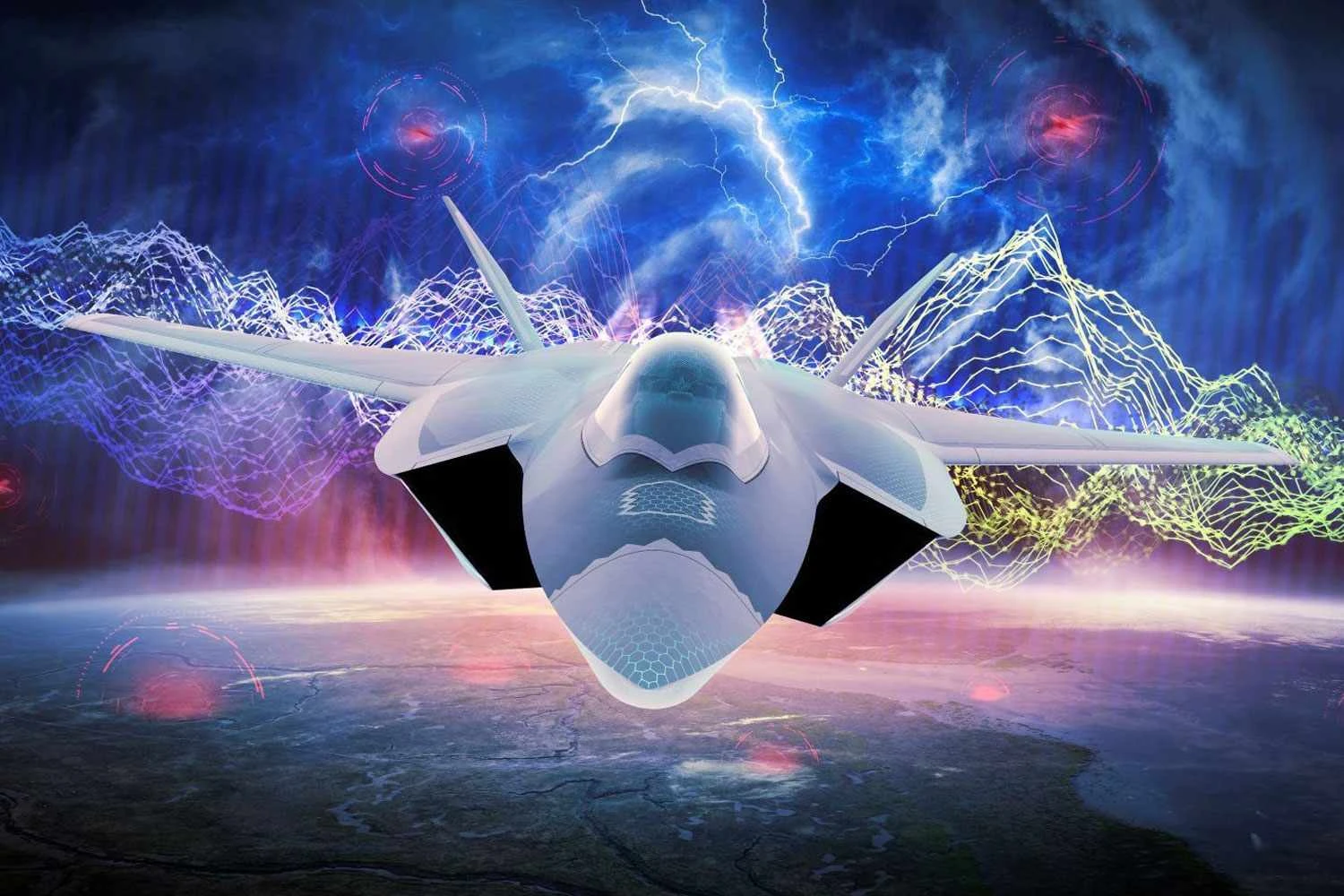
Executive leadership from Airbus and BAE Systems are preparing to meet to discuss a prospective role for the European aerospace giant in the Global Combat Air Programme (GCAP). This high-level engagement marks a pivotal shift, moving discussions regarding Germany's potential alignment with the next-generation fighter initiative from diplomatic circles into the complex realm of industrial arrangements.
The Search for a New Path
Germany's renewed interest in GCAP stems largely from the breakdown of the Future Combat Air System (FCAS) partnership with France, which sought to develop a successor to current-generation fighters by 2040. Disagreements over workshare, intellectual property, and design leadership ultimately fractured that alliance.
As Berlin evaluates its options, joining GCAP—led by the United Kingdom, Italy, and Japan—presents an appealing opportunity to share development costs and expand the program's economic base. However, integrating a major new participant into an established multinational framework is fraught with challenges.
Japan has said multiple times that they will not risk any delays, I don’t know what purpose this drum beating has
Navigating Established Industrial Structures
The core challenge facing the upcoming talks lies in workshare distribution. The founding partners—BAE Systems, Leonardo, and Mitsubishi Heavy Industries—have already established Edgewing as the primary industrial organization governing the fighter's development. Key intellectual property and manufacturing responsibilities have largely been assigned.
Airbus is unlikely to accept a minor or peripheral manufacturing role. Company leadership has maintained that any involvement must entail a substantial and meaningful contribution rather than building isolated structural components. Yet, accommodating these demands without compromising a strict target entry into service by 2035 remains a formidable hurdle.
Maybe offering Airbus a role in loyal wingman drones for GCAP instead of GCAP itself if they join the project?
That's about all that still exists that hasn't been assigned out already at least.
Balancing Capabilities and Expectations
Questions also linger over what unique technological value German industry would contribute to a program already backed by advanced aerospace ecosystems in Britain, Italy, and Japan. While financial backing and order density are attractive to partners facing rising defense costs, the delicate balance between expanding the market and preserving design efficiency leaves little room for friction.
What does Airbus, and by extension Germany, actually bring to the programme, apart from money and order density?
The Brits are well-versed in stealth, and in airframe design, engine design and systems integration.
The Italians are avionics experts and bring precision manufacturing from the F-35 programme.
The Japanese are a communications, electrics and engine development powerhouse.
All three nations make capable weapons.
What advanced technology not already available to the group could Germany offer?
If we want Tempest to be successful, we need to be pragmatic.
Looking Ahead
While next week's discussions will not single-handedly determine Germany's future in GCAP, they will test whether sufficient industrial common ground exists. Balancing political desires for European defense cooperation with the uncompromising timelines set by the existing partners will dictate whether this potential expansion moves forward or remains out of reach.

